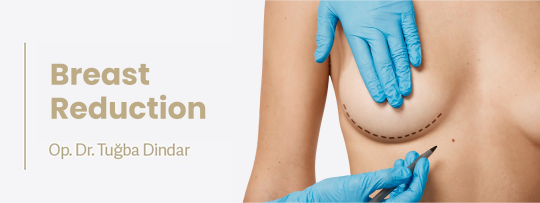
Having breasts that are disproportionate to the body can lead to various challenges, both physically and in daily life. This condition should not be considered solely an aesthetic concern; it may also affect overall comfort and quality of life. At this point, breast reduction surgery may be considered. This procedure stands out as an aesthetic intervention that can be evaluated in terms of both appearance and functional relief.
Today, breast reduction procedures are not only performed for aesthetic expectations but may also be considered to alleviate physical complaints such as back, neck, and shoulder pain. Over time, excessively large breasts can contribute to posture problems, skin irritation, and limitations in movement. In such cases, breast reduction surgery may be regarded as an option to improve quality of life.
However, as with any surgical procedure, this process is planned individually. Factors such as breast anatomy, skin elasticity, overall health status, and patient expectations should be carefully evaluated. Therefore, while general information can help provide an understanding of the procedure, the final decision should always be made following a professional medical assessment.
How Is Breast Reduction Surgery Performed?
In general, breast reduction surgery is carried out through a structured process consisting of several stages. This process can be considered in three main phases: preoperative preparation, the surgical procedure, and the recovery period.
In the first stage, the individual’s overall health status is evaluated. Breast structure, skin characteristics, and existing complaints are examined in detail. During this process, the patient’s expectations are carefully considered, and a general framework for the intended outcome is established. Certain medical tests may be required before the procedure. Medications, smoking habits, and existing health conditions are also taken into account. This stage is essential for ensuring a safe and effective process.
If the individual is deemed a suitable candidate, the procedure phase can proceed. Breast reduction surgery is typically performed under general anesthesia. During the operation, excess breast tissue, fat, and skin are removed to achieve a smaller breast size that is more proportionate to the body.
During this procedure, the nipple is usually repositioned. The goal is to achieve both an aesthetically balanced appearance and functional relief. The technique used may vary depending on the individual’s breast anatomy, and different surgical approaches may be considered.
The approach used in this process is not limited to the removal of excess tissue. Breast reduction surgery also involves reshaping the remaining breast tissue to create a form that is harmonious with the body. Therefore, the procedure is not only about volume reduction but can also be considered as part of an overall breast aesthetic planning. The surgical technique applied may be determined based on factors such as nipple position, excess skin, and tissue density. A standardized method is not applicable to every individual, which ensures a personalized surgical approach.
What Is the Postoperative Process Like?
After the surgery, a short hospital stay may be required. Mild pain, swelling, and sensitivity in the first few days are considered normal. This period marks the beginning of the breast reduction recovery process. The use of a special supportive bra may be recommended during the initial weeks. Over time, swelling decreases and the breast shape becomes more defined. The total recovery time may vary depending on the individual.
In the later stages of recovery, the breast contour gradually takes on a more natural appearance. As the initial swelling subsides, the results can be evaluated more clearly. During this phase, patience is important, as it may take time for the tissues to fully settle. Additionally, lifestyle habits, nutrition, and overall health can influence the quality of healing. All these factors highlight that the recovery process may differ from person to person.
Breast Reduction Surgery Techniques
The techniques used in breast reduction surgery may vary depending on the individual’s breast anatomy, skin elasticity, and the amount of tissue to be removed. The goal is not only to reduce volume but also to achieve a natural and aesthetically balanced appearance. Commonly used methods include the vertical scar technique and the inverted T (anchor) technique. For smaller reductions, techniques involving more limited incisions may be preferred.
The choice of method depends on factors such as nipple position, degree of sagging, and tissue density. Therefore, there is no single standard approach for every patient. The selected technique may also influence the location and appearance of postoperative scars. Additionally, the recovery process and the final breast shape may vary depending on the method used.
What Are the Benefits of Breast Reduction Surgery?
Breast reduction surgery may provide various physical and psychological benefits. While these benefits can vary from person to person, they generally contribute to an improved quality of life.
From a physical perspective, a reduction in back, neck, and shoulder pain associated with large breasts may be observed. Marks caused by bra straps on the shoulders and skin irritation may also be alleviated. Increased mobility can make daily activities easier and more comfortable.
From a psychological perspective, individuals may feel more satisfied with their body appearance. Clothing choices may become more varied, and individuals may feel more comfortable in social settings. This is considered an important aspect of procedures within the scope of breast aesthetics. However, it should be kept in mind that these benefits may vary individually.
What Are the Risks of Breast Reduction Surgery?
As with any surgical procedure, the risks of breast reduction surgery should be carefully considered. These risks may vary depending on the individual’s overall health status and the surgical technique used. After the procedure, complications such as infection, bleeding, or delayed wound healing may occur. In rare cases, loss of sensation, asymmetry, or unsatisfactory aesthetic outcomes may also be observed.
In some cases, changes in nipple sensitivity may occur. While these effects are often temporary, the possibility of permanence should not be overlooked. Therefore, it is important to evaluate all potential risks before undergoing the procedure. Careful planning and follow-up by an experienced medical team can help manage and minimize these risks.
How Does Breast Reduction Surgery Affect Breastfeeding?
It is important to note that breast reduction surgery may affect the breastfeeding process, as it can involve changes to the milk glands and ducts. However, this effect varies depending on the surgical technique used and the extent of the procedure.
In some techniques, the milk ducts can be preserved, allowing breastfeeding function to continue. In more extensive procedures, however, this may not be the case. For this reason, a patient’s future breastfeeding expectations should always be taken into consideration during the planning stage.
The impact on breastfeeding may differ from person to person, and it is not always possible to predict a definitive outcome. Therefore, this aspect should be discussed in detail prior to surgery.
Will There Be Scarring After Breast Reduction Surgery?
For individuals considering the procedure, scarring after breast reduction is an important concern. Since it is a surgical intervention, some degree of scarring is expected in certain areas.
These scars are typically located around the areola and along the inframammary fold. Over time, their appearance may fade and become less noticeable; however, complete disappearance should not be expected. Factors such as skin type, the healing process, and postoperative care can influence the visibility of scars. Therefore, proper aftercare plays an important role.
When Do Breast Reduction Results Become Noticeable?
The final appearance after breast reduction surgery may not be immediately visible. This is mainly due to postoperative swelling and the ongoing healing of the tissues. In the first few weeks, the breast shape may appear different, which is considered normal.
As time passes and swelling subsides, the breast contour becomes more defined. This period is part of the breast reduction recovery process and may vary between individuals. While a more natural appearance is typically achieved within a few months, it may take longer for the tissues to fully settle.
For this reason, it is not recommended to make a definitive evaluation of the results in the early stages. It should be kept in mind that the process evolves over time, and changes may continue throughout the recovery period.
Is Breast Reduction Permanent?
Breast reduction surgery is considered an aesthetic procedure aimed at providing long-term results. The breast tissue removed during surgery does not regenerate. However, this does not mean that the breast structure will remain completely unchanged over time. Factors such as aging, hormonal changes, and weight fluctuations can affect breast shape.
In particular, weight changes can directly influence breast volume. Therefore, maintaining a balanced lifestyle after surgery is often recommended. This approach may help preserve the results achieved through breast reduction for a longer period.
Can Breast Reduction Surgery Be Performed Again?
Although the results of breast reduction surgery are generally long-lasting, a secondary procedure may be considered in some cases. Factors such as weight fluctuations, hormonal changes, pregnancy, or age-related changes can lead to alterations in breast shape over time. In such situations, a revision procedure may be planned if needed.
However, the necessity and suitability of a second operation should always be determined through a detailed evaluation. The time elapsed since the previous surgery, current tissue condition, and overall health status play important roles in this decision-making process. Repeat surgery is not required in every case, and the decision should be based on individual circumstances.
What Should Be Considered After Breast Reduction Surgery?
As expected, the breast reduction recovery process involves several important considerations. Following the recommended guidelines during this period can contribute to a smoother and healthier recovery.
Rest is essential during the first few days after surgery. Strenuous activities should be avoided to allow the body to recover. Light movements may be preferred during this period.
- The medical bra recommended by the doctor should be worn regularly. This support may help maintain breast shape and positively influence the healing process.
- Wound care should be taken seriously. Regular dressing changes and proper hygiene are important, as they may help reduce the risk of infection.
- Heavy lifting should be avoided in the first few weeks. Movements that strain the arms and chest area may negatively affect healing.
- Attention should be paid to sleeping position. Sleeping on the back is generally recommended, as it may help prevent pressure on the operated area.
- Protection from sun exposure is important. Direct sunlight on the surgical area should be avoided, especially to prevent scars from becoming more noticeable.
- Regular follow-up appointments should be attended. Monitoring the healing process can help detect potential issues at an early stage.
What Should Be Considered When Deciding on Breast Reduction Surgery?
The decision to undergo breast reduction should not be considered solely as an aesthetic choice, but also as a process that may impact overall quality of life. For this reason, it is important to have realistic expectations during the decision-making stage. The individual should be both physically and psychologically prepared for the process. It should also be kept in mind that surgery involves a recovery period that requires patience.
Additionally, being informed about the risks of breast reduction surgery can support a more conscious and well-informed decision. In conclusion, breast reduction surgery is a comprehensive process that can be evaluated from both aesthetic and functional perspectives. With proper planning, it may provide noticeable improvements in overall comfort and quality of life.