Breast aesthetics is among the most commonly performed cosmetic procedures both in Turkey and worldwide. With modern surgical techniques and improved technologies, breast surgery can often be carried out more efficiently, while supporting predictable and satisfactory outcomes for suitable candidates. When people refer to breast aesthetics, the most frequently discussed procedures are breast reduction, breast lift, and breast augmentation.
In women, breast tissue can change due to multiple factors such as aging, breastfeeding, pregnancy, congenital or developmental differences, and overall body changes. Over time, breasts may lose volume, develop asymmetry, or become disproportionately large or small compared to the body frame. These changes can affect how a person feels about their appearance and, in some cases, may contribute to reduced self-confidence. At this point, aesthetic and reconstructive plastic surgery options may be considered.
Breast aesthetic procedures are typically performed by board-certified plastic surgeons with expertise in cosmetic breast surgery. Importantly, there is no "one-size-fits-all" ideal breast shape or size. The most appropriate approach is planned individually by taking into account the patient's anatomy, body proportions, chest structure, and expectations. A personalized plan is particularly important in breast shaping, augmentation, and reduction procedures in order to achieve balanced and natural-looking results.
Types of Breast Aesthetics
The main goal of breast aesthetics is to achieve a breast appearance that matches the body proportions and helps the individual feel comfortable and confident. After a detailed consultation and physical assessment, the procedure type is determined and a surgical plan is created. Within the scope of cosmetic breast surgery, several procedures may be performed. The most common options include:
- Breast Augmentation (Augmentation Mammoplasty)
- Breast Reduction (Reduction Mammoplasty)
- Breast Lift (Mastopexy)
- Gynecomastia Surgery (Male Breast Reduction)
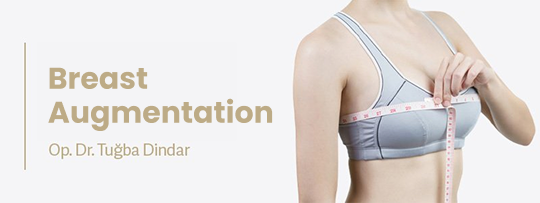
Breast Augmentation (Augmentation Mammoplasty)
The primary aim of breast augmentation is to enhance breast volume and improve fullness. Some individuals naturally have smaller breasts due to their body structure, while others may experience volume loss following weight changes, pregnancy, or breastfeeding. Developmental factors may also contribute to reduced breast volume.
In these situations, breast augmentation can be considered to restore or improve breast contours. In many cases, breast implants (silicone implants) are used to achieve the desired volume. For selected patients, fat transfer to the breast (fat injection) can also be used to add moderate fullness. However, patients who seek more stable and long-lasting volume enhancement often prefer implants.
Today, implants come in different shapes, including round and teardrop (anatomical) options. Choosing the implant type is a shared decision between the patient and the surgeon, taking into account factors such as body structure, weight-to-height ratio, existing breast tissue, and chest wall anatomy. These considerations help support a result that looks proportionate and natural.
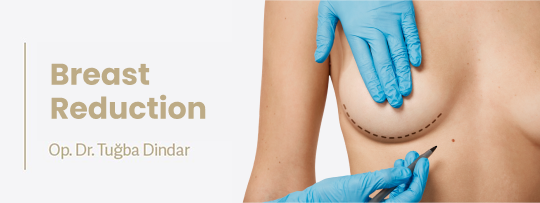
Breast Reduction (Reduction Mammoplasty)
Breast concerns are not always related to volume loss. Some women experience discomfort due to overly large breasts, which may be influenced by weight changes, certain medications, developmental factors, or genetics. In some cases, underlying medical conditions may also contribute to breast enlargement, and proper medical assessment is essential.
Large breasts may affect more than appearance. They can cause neck pain, back pain, shoulder discomfort, and may contribute to posture issues. For patients experiencing such symptoms, breast reduction surgery can be both an aesthetic and functional option.
During the procedure, excess breast tissue, fat, and sometimes skin are removed, aiming to create a breast size that is more proportional to the body. The degree of reduction is determined based on the patient's anatomy, goals, and medical evaluation. Recovery is generally manageable for most patients, and many people report improved comfort in daily life after healing.
Breast Lift (Mastopexy)
A breast lift (mastopexy) is frequently chosen by women who experience breast sagging. Common contributing factors include pregnancy, breastfeeding, significant weight changes, hormonal variations, and aging. As skin elasticity decreases over time, breast tissue may shift downward and the breast shape may appear less firm.
Breast lift surgery aims to improve breast position and contour. In some cases, lift procedures may be combined with other techniques. For example, implants may be recommended when both lifting and volume enhancement are desired. The incision location is planned to support reshaping while minimizing visible scarring as much as possible. Many procedures are designed so that scars remain discreet, often positioned in less visible areas.
Gynecomastia Surgery (Male Breast Reduction)
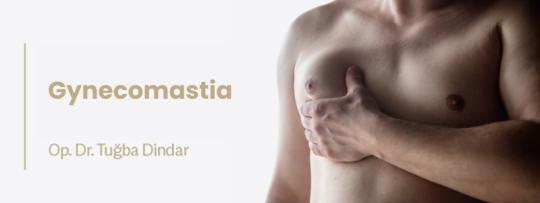
Gynecomastia surgery is a male breast reduction procedure performed when men develop enlarged breast tissue, often due to hormonal factors, certain medications, or underlying health conditions. This issue can cause psychological discomfort, reduced confidence, and challenges in social settings.
Gynecomastia surgery is typically performed through carefully planned incisions, often placed along natural lines to reduce scar visibility. The procedure aims to restore a flatter, more masculine chest contour. Recovery is generally straightforward for suitable candidates, and many patients experience significant improvement in both physical comfort and self-image.
Gynecomastia Surgery (Male Breast Reduction)
Gynecomastia surgery is a male breast reduction procedure performed when men develop enlarged breast tissue, often due to hormonal factors, certain medications, or underlying health conditions. This issue can cause psychological discomfort, reduced confidence, and challenges in social settings.
Gynecomastia surgery is typically performed through carefully planned incisions, often placed along natural lines to reduce scar visibility. The procedure aims to restore a flatter, more masculine chest contour. Recovery is generally straightforward for suitable candidates, and many patients experience significant improvement in both physical comfort and self-image.
Will There Be Scarring After Breast Surgery?
Scarring is a common concern. Because breast procedures often require incisions, some degree of scarring is expected. However, incision sites are carefully selected and surgical closure techniques aim to keep scars as discreet as possible. Immediately after surgery, scars may appear pink or reddish; over time they usually fade and become closer to the natural skin tone.
In many cases, incisions are placed in areas such as the breast fold (inframammary crease), where scars are less noticeable. The exact scar pattern and visibility depend on the procedure type and the surgical technique used. It is also possible to discuss expected scar location and scar appearance during the consultation process.
Does Breast Surgery Prevent Breastfeeding?
Many women who plan future pregnancy worry about breastfeeding after surgery. In most cosmetic breast surgeries, especially augmentation, the milk glands are generally not directly affected, meaning breastfeeding may still be possible.
However, the impact can vary depending on the surgical technique and the extent of the procedure-particularly in more complex cases or when significant lifting is required. If there is any chance that breastfeeding could be influenced, this is typically discussed during the pre-operative planning stage so the patient can make an informed decision.
Breast aesthetic surgery can be performed using different techniques, and the exact procedure varies depending on the treatment goal (such as breast reduction, breast augmentation with implants, breast lift, or gynecomastia surgery). Key points that patients commonly ask about the procedure process include:
- In breast reduction surgery, a portion of breast tissue is removed to achieve a more proportionate breast size.
- In selected cases, liposuction may also be used to remove excess fatty tissue and improve contour.
- Since breast aesthetic procedures are performed under anesthesia, patients do not feel pain during the surgery.
- Depending on the type of procedure, the surgical duration may vary and typically ranges between 1.5 to 3 hours.
- For procedures such as breast implant placement, breast reduction, or gynecomastia surgery, surgical incisions are required.
- The visibility of incision scars often decreases over time as healing progresses.
- Follow-up appointments may be scheduled after surgery to monitor healing and assess recovery.
- With modern techniques used in breast surgery in Turkey, the recovery process is generally manageable for most patients, provided that postoperative instructions are followed carefully.
After breast aesthetic surgery, patients should follow specific aftercare instructions to support safe healing and achieve optimal results. The most important points to know about the recovery process include:
- After breast surgery, an overnight stay at the clinic (1 day) may be recommended depending on the procedure and the patient's overall condition.
- Once discharged, patients are generally advised to rest at home for a few days.
- Stitches are typically removed within 7-10 days, if non-dissolvable sutures are used.
- Mild pain or discomfort can occur after surgery; however, it is usually manageable with prescribed pain relief medication.
- For approximately 3-6 weeks, patients should avoid heavy exercise, intense workouts, and sports activities.
- Your surgeon will guide you on when it is safe to return to exercise, based on your healing progress.
- To reduce the risk of infection, patients may be advised to avoid showering for a short period after the operation.
- Antibiotics may be prescribed to minimize infection risk, depending on the technique used and individual factors.
- Until the healing period is complete, it is recommended to avoid environments such as saunas, Turkish baths (hamam), swimming pools, and the sea.
- On the day of surgery, side effects related to anesthesia-such as headache or nausea-may occasionally occur.
Following your doctor's recommendations carefully plays a key role in achieving a smooth and safe recovery after breast aesthetics in Turkey. To learn more about the procedure or to request an appointment, you can contact us using the communication details on the website.