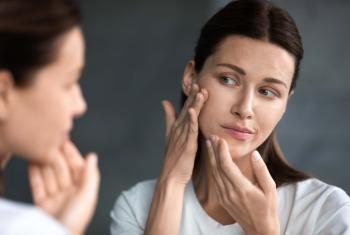
Facial volume loss may result from changes in fat tissue, bone structure, skin, and supporting tissues influenced by aging, genetics, weight changes, and individual anatomy.

- About Me
-
Aesthetic Surgery
- Forehead and Temple Lift
- Hair Transplant
- Ankle Aesthetics
- Leg Lift Surgery
- Almond Eye Surgery
- Hip Reduction
- Neck Lift Surgery
- Rhinoplasty
- Nasal Hump Reduction Surgery (Nose Bridge Rasping)
- Chin Aesthetics
- Dimple Aesthetics
- Genital Aesthetics
- Double Chin Aesthetics
- Under-Eye Bag Treatment
- Eyelid Surgery
- Hip Aesthetics
- Tummy Tuck
- Brow Lift
- Prominent Ear Surgery
- Arm Lift Surgery
- Ear Aesthetics
- Breast Aesthetics
- Buttock Aesthetics
- Septal Deviation
- Triangular Face Aesthetics
- Liposuction Surgery
- Fat Injection
- Cheek Aesthetics
- Facelift Surgery
- Venus Dimples, Lower Back Dimple Aesthetic Procedure
-
Non-Surgical Treatments
- Lip Rejuvenation Without Fillers
- Golden Needle RF Microneedling
- Acne & Acne Scar Treatment
- Aqua Peeling
- Liquid FaceLift
- BTX
- Mole Removal
- Botulinum Toxin Treatments
- Stretch Mark Treatment
- Dermaroller
- Dermal Fillers
- French Thread Lift
- Hyperpigmentation Treatment
- H-100 Youth Elixir
- HydraFacial Skin Care Treatment
- Thread Lift
- Chemical Peeling
- Comedone Treatment
- Laser Hair Removal
- Mesotherapy
- Moisture Injection
- Plasma Pen Treatment
- Paris Glow Skin Rejuvenation
- PRP
- Blackhead Removal
- Ingrown Toenail Treatment
- Lipoma Removal
- Scar Revision Surgery
- Non-Surgical Facial Rejuvenation (Fotona 4D)
- Non-Surgical Eyelid Aesthetics (Smootheye)
- Hair Laser Treatment (Hairlase)
- Devices
- Media
- Blog
- KVKK
- Payment
- Contact