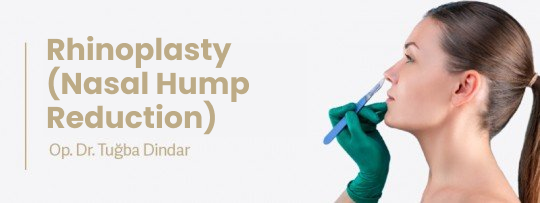
Nasal Hump Reduction Surgery (Nose Bridge Rasping)
Nose surgery is one of the most commonly performed aesthetic procedures both in Turkey and worldwide. A prominent nasal hump on the bridge of the nose can be a significant cosmetic concern for both women and men. In some cases, aesthetic concerns may also be accompanied by functional complaints such as difficulty breathing through the nose.
To address these issues, nasal hump reduction surgery-also known as nose bridge rasping-may be performed. This procedure aims to create a smoother, more natural nasal profile while also helping improve airflow when the hump structure contributes to breathing problems. Patients seeking nose aesthetics in Turkey often consider this type of refinement as part of their overall rhinoplasty plan.
Compared to more extensive nasal bone surgeries, nasal rasping is generally considered a less complex intervention. If a patient's aesthetic concern can be resolved by simply reducing the dorsal hump, this targeted approach may be sufficient. Both the procedure itself and the recovery period are typically shorter than major rhinoplasty operations, which is one reason it is preferred by many patients.
Who Is a Good Candidate for Nasal Hump Reduction?
This procedure may be suitable for individuals who are bothered by the nasal bridge hump and want a smoother contour. However, as with all surgical procedures, candidacy depends on the person's general health status. There should be no medical condition that would prevent surgery.
In addition, nasal hump reduction surgery is not recommended during pregnancy or breastfeeding, so it is necessary to wait until after delivery and the completion of the breastfeeding period.
Aside from these criteria, people who feel that the hump affects their facial balance-or who believe it may contribute to breathing difficulty-may benefit from nasal rasping after a detailed medical evaluation.
Is There Pain After Nasal Bridge Rasping?
During nasal hump reduction surgery, the surgeon reshapes the bone structure on the nasal dorsum (the bridge). It is normal to experience mild discomfort or pain after the procedure due to the intervention performed on the bone and surrounding tissues.
In most cases, this pain is not severe and can be effectively managed with pain-relief medications prescribed by the surgeon. The goal is to keep post-operative discomfort at a level that does not interfere with daily life or social activities.
A commonly asked question is how soon one can return to everyday routines. Recovery varies from person to person because tissue healing differs individually. However, many patients can resume daily activities within 1-2 days, while still following important aftercare instructions.
During the healing phase, it is essential to reduce infection risk and protect the nose from any impact or trauma. Hot environments such as saunas and Turkish baths are generally avoided for a period of time. Likewise, swimming pools and the sea should be postponed temporarily, mainly to reduce infection risk. Following your surgeon's instructions carefully helps ensure a smoother recovery.
Can Nasal Hump Reduction Be Combined with Other Procedures?
This procedure primarily focuses on the nasal bridge bone. However, if clinically appropriate, it may be combined with additional nasal refinements during the same session.
For example, some patients request tip reshaping or tip lift, and in suitable cases, dorsal hump rasping and nasal tip work can be performed together. Because both bone and cartilage structures can be addressed during the same operation, combining procedures may allow patients to correct multiple concerns at once and go through a single recovery period.
Your surgeon will determine which combinations are appropriate based on nasal anatomy, expectations, and overall health assessment.
Are the Results Permanent?
Yes-the results of nasal hump reduction surgery are generally permanent. The reshaped nasal contour does not require repeated treatment. However, significant trauma to the nose after surgery could affect the final form and may lead to the need for revision surgery.
If no injury occurs and the healing process progresses normally, most patients achieve their desired outcome with a single procedure, and the refined nasal bridge appearance remains long-term.
Procedure Overview (Surgical Process)
To clarify the most frequently asked questions about how nasal hump reduction (nose bridge rasping) is performed, the procedure can be summarized as follows:
-
This operation is typically performed under general anesthesia.
-
During surgery, the patient does not feel pain or discomfort.
-
The type of anesthesia and the exact surgical approach should be determined by the surgeon based on the nasal anatomy and the planned intervention.
-
The duration of the procedure is not the same for every patient; it may take as little as 40 minutes, or it can extend up to 2 hours, depending on the complexity of the case.
-
Nasal rasping may also be performed simultaneously with other rhinoplasty techniques, as part of a combined nose aesthetics procedure in Turkey.
-
During the operation, the nasal dorsum (bridge) hump is reshaped to create a smoother and more natural contour.
-
The surgery is completed by placing stitches in the incision area where required.
Post-Operative Care & Recovery
When it comes to nose aesthetics (rhinoplasty) or nasal hump reduction, many patients are especially interested in the healing timeline and aftercare instructions. Below you can find the key points that patients most frequently ask about following a nasal rasping / hump reduction procedure:
-
After nasal hump reduction surgery, nasal packing is usually not required, so patients generally do not experience significant breathing discomfort.
-
You may be discharged on the same day, or in some cases the next day, depending on your recovery and the surgeon's evaluation.
-
After surgery, it is essential to protect the nose and surrounding facial area from impact or any hard trauma.
-
Wearing tight, narrow-neck clothing that needs to be pulled over the head should be avoided to reduce accidental pressure on the nose.
-
To reduce the risk of infection, your surgeon may prescribe antibiotics for a short period.
-
Mild pain or discomfort is expected and normal; prescribed painkillers can be used as directed (without exceeding the recommended dosage).
-
The tapes placed on the nose are typically removed around 10 days after surgery.
-
After tape removal, facial cleansing should be done using an alcohol-free toner, gently wiping from bottom to top without applying pressure.
-
Massage should not be applied to the nose until healing is completed and your surgeon confirms it is safe.
-
A mild numbness sensation may persist for 1-2 months, which is considered normal during recovery.
-
Redness, swelling, and bruising are also common after nasal procedures.
-
These symptoms usually improve gradually and naturally within a short period.
-
It is generally recommended to avoid wearing glasses for the first 3 months, as pressure may affect healing.
-
It takes time for the nose to settle into its final shape; full results require patience, as the tissue healing continues.
-
Follow-up visits are important-patients should attend scheduled post-op check-ups as advised by the surgeon.
If you are experiencing concerns such as a nasal hump, raised nasal bridge, or a crooked nose, this procedure may help you achieve a smoother and more balanced nasal profile. For more information about nasal rasping surgery in Tekirdağ (near Istanbul) or to request an appointment, you can contact our clinic.